Custom badges
Cast badges for schools, clubs and staff recognition.
Custom badges →Tooling handled end to end · 5,000 pcs min · 20-minute quotes
Send artworkCustom enamel pins
Zinc alloy enamel pins on flat or half-relief dies, 5,000 pieces per design, unlimited colours, samples in 7 to 10 days and 25 days for the first 10,000.
From the bench
Three designs photographed in our workshop in Dongguan, colour filled into the recess and the edge polished before the back goes on. Plating and enamel are chosen per design, not picked off a catalogue page.
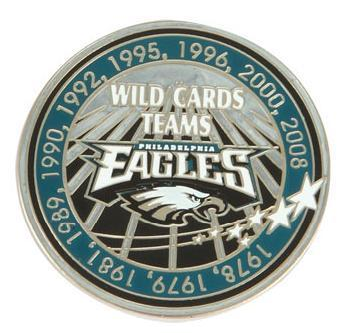
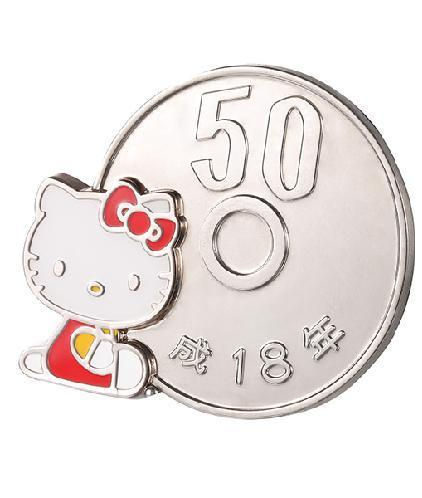
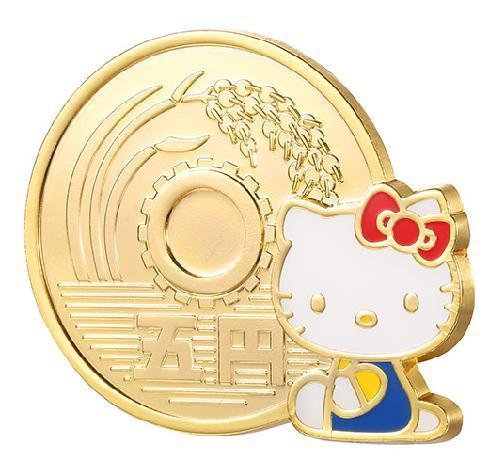
A pin is a small die-cast metal shape with colour filled into the recessed areas. The metal gives the outline its edge, the enamel gives it colour, and the back carries the attachment that decides how it is worn.
We cast them in zinc alloy on flat or half-relief dies, fill the colour, fit the back and pack the carton in one building in Dongguan. One order, one tooling cost, one colour reference, one date.
Three names, one product. Buyers in the United States usually search for custom lapel pins — the pin is worn on a jacket lapel, a blazer or a lanyard. Buyers in the UK and Ireland say pin badges. Schools, bands and merch sellers say enamel pins. None of that changes the die, the colour fill or the price: it is a vocabulary question, and the answer to “are lapel pins and enamel pins the same thing?” is yes, with one exception below.
The fitting is the part that does change. A lapel pin for a suit wants a butterfly clutch, because it sits flat and comes off without pulling the cloth. A pin badge for a school bag or a lanyard wants a rubber clutch or a safety pin, which holds better on soft fabric. A magnetic back leaves no hole at all, which is why it is the usual pick for a shirt or a name badge. Say what the pin will be worn on and the fitting follows from it.
Plain custom metal pins — no enamel, metal colour only — are the other half of the same catalogue: a cast shape with a brushed or polished face and a plated finish. They suit a mark that is already one colour, and because they skip the colour-fill stage they are the cheaper option when the artwork allows it.
For the two enamel fills side by side, see soft vs hard enamel pins; for the fittings themselves, see pin backings compared.
| Flat die | Half-relief die | |
|---|---|---|
| Tooling | RMB 700 per design | RMB 1,200 per design |
| Surface | One plane, colour in the recess | Stepped levels with depth |
| Best for | Logos, lettering, fine line art | Crests, characters, mascots |
| Die life | 3 years or 300,000 pcs | 1 year or 50,000 pcs |
Flat keeps small type readable and the outline sharp. Half-relief lifts the centre of the design from the rim, so light falls across it and the pin reads from a distance. If your artwork is mostly lettering, flat is both cleaner and cheaper; if it has a crest or a character, the extra RMB 500 buys visible depth.
The number of colours inside a design is not capped and does not change the tooling price. What matters is the reference: a Pantone number, a physical sample, or the previous production run if this is a reorder. “Navy” is not a colour — a reference settles it in one round trip instead of three.
Two numbers make up the price. Tooling is RMB 700 for a flat die or RMB 1,200 for a half-relief die, charged once per design. The unit price falls as quantity rises from the 5,000-piece minimum, and a sample at RMB 200 per design is produced on the production die with the production colour mix. Quotations and invoices are issued in US dollars.
Several designs can run as one order with one colour reference and one delivery date, which is normal for schools, clubs and distributors restocking a catalogue.
While the die is in service — 3 years or 300,000 pieces for flat, 1 year or 50,000 for half-relief — a reorder pays no tooling again and is colour-matched to the previous run. Year three looks like year one, which is the difference between a supplier and a printer.
Butterfly clutch, rubber clutch, safety pin, magnetic back or a keychain fitting. Say what the pin will be worn on and we will suggest the fitting; a heavy 45 mm pin on a butterfly clutch is a complaint waiting to happen.
7 to 10 days for a sample, then 25 days for 10,000 pieces, 35 days for 50,000 and 40 to 50 days for 100,000, counted from artwork approval. If your date is fixed by an event, say so in the first email.
Two numbers make up the cost: tooling at RMB 700 for a flat die or RMB 1,200 for a half-relief die, charged once per design, and a unit price that falls as quantity rises from the 5,000-piece minimum. Send artwork, size and quantity for both numbers in one reply, quoted in US dollars.
Yes. Lapel pin, enamel pin and pin badge are three names for the same die-cast, colour-filled part; only the fitting changes how it is worn. Send the artwork, tell us what it will be worn on, and it is quoted under whichever name you use.
Yes. Each design carries its own die fee, but several designs can run as one order with one colour reference and one shipping date. Mixed-design orders are normal for schools and distributors.
A flat die keeps the whole face on one plane, so colour sits in the recess and the outline stays crisp. A half-relief die steps the centre of the design up from the rim, which gives depth and catches light. Flat is better for type and marks, half-relief for crests and characters.
No, as long as the die is still in service. Flat dies are held for 3 years or 300,000 pieces, half-relief dies for 1 year or 50,000 pieces. A repeat order inside that window skips the tooling charge and is colour-matched to the previous run.
Most export work goes to Japan, Korea and the United States, alongside domestic programmes. Freight terms are on the quotation, so the landed date is visible before you commit.
Cast badges for schools, clubs and staff recognition.
Custom badges →Place medals to complete the award set.
Custom medals →Send artwork and get tooling, unit price and a date.
Request a quote →Artwork, size, quantity and deadline are all we need. A specialist replies with tooling cost, unit price and a delivery date, usually inside 20 minutes.