How ordering works
How an order runs from artwork to carton, with the dates spelled out.
How ordering works →Tooling handled end to end · 5,000 pcs min · 20-minute quotes
Send artworkProduction
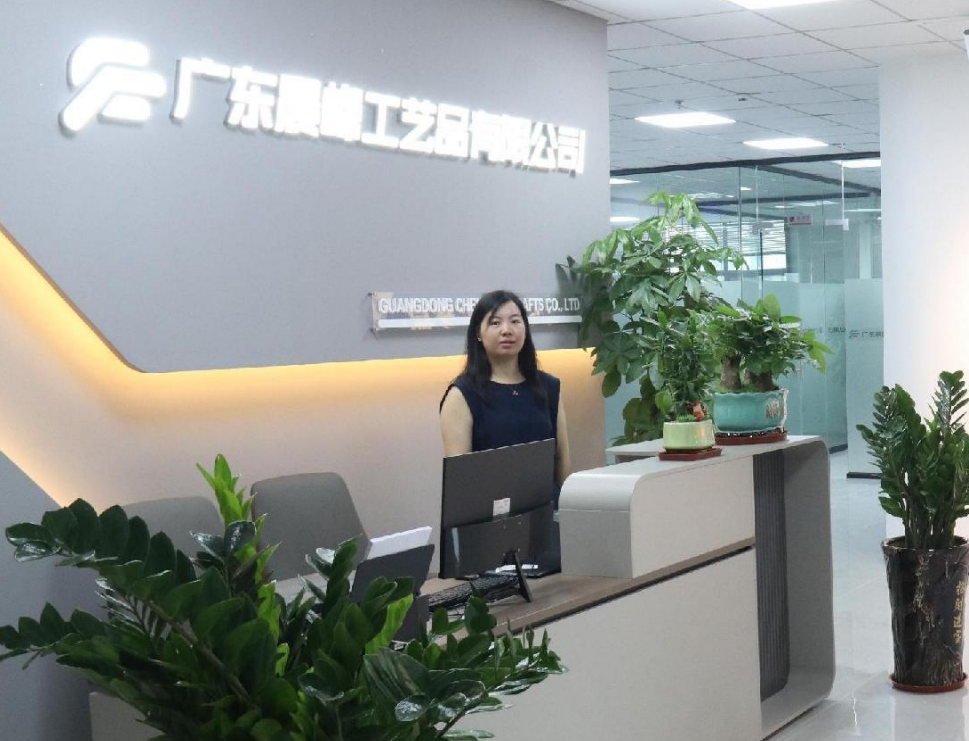
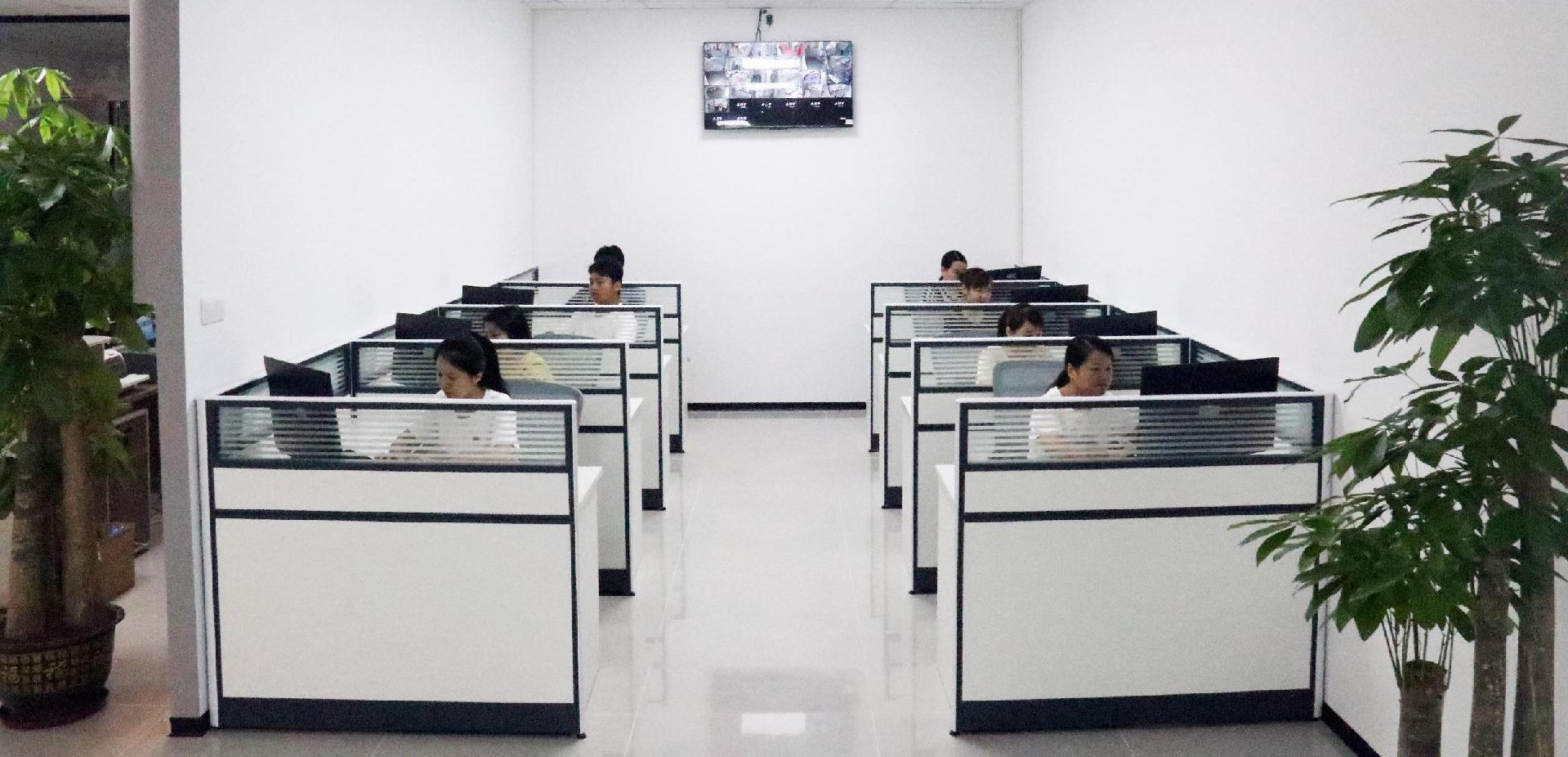
4,000 square meters of floor, three die-casting presses, 120 staff, an in-house tooling shop and BSCI and Sedex audits — the numbers behind every date we quote.
The floor
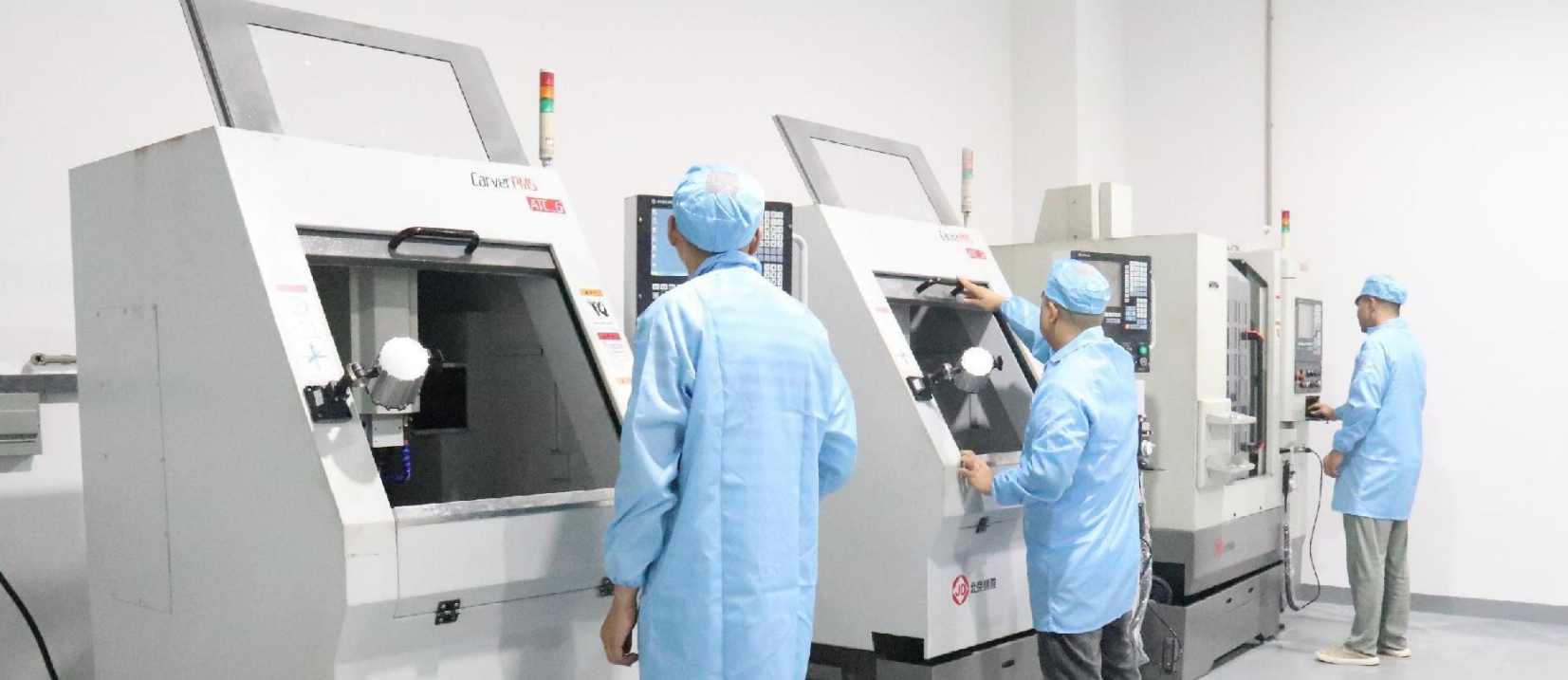
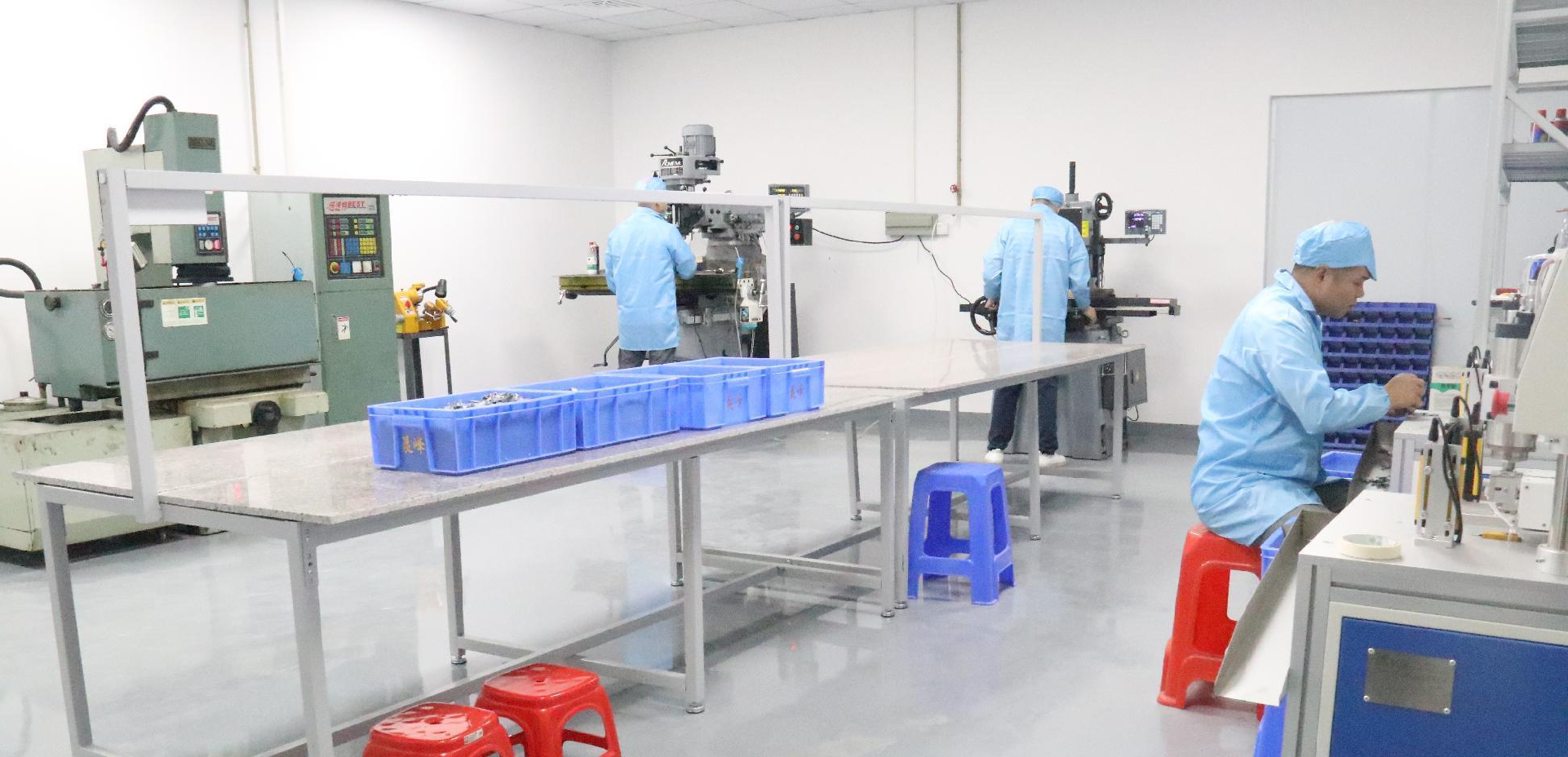
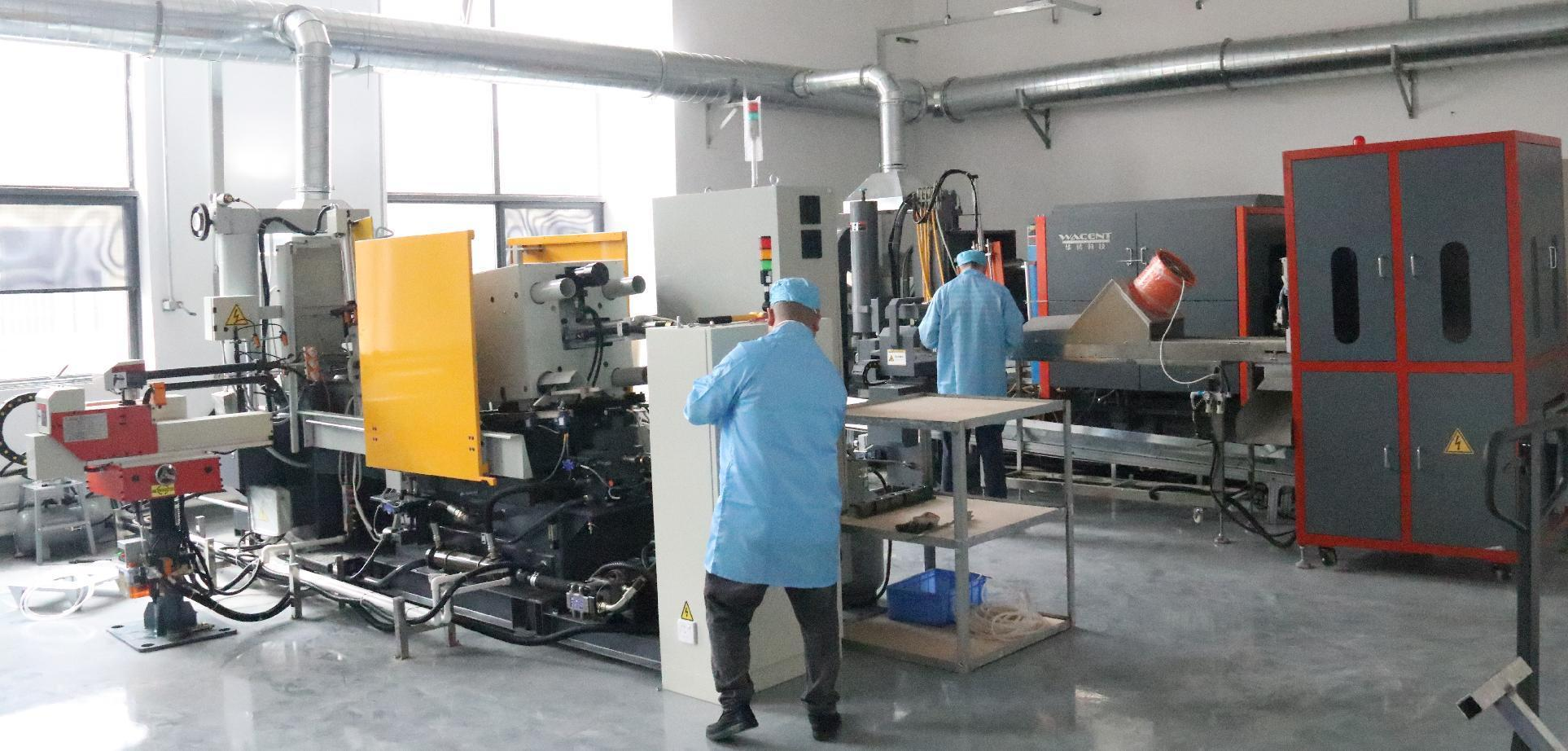
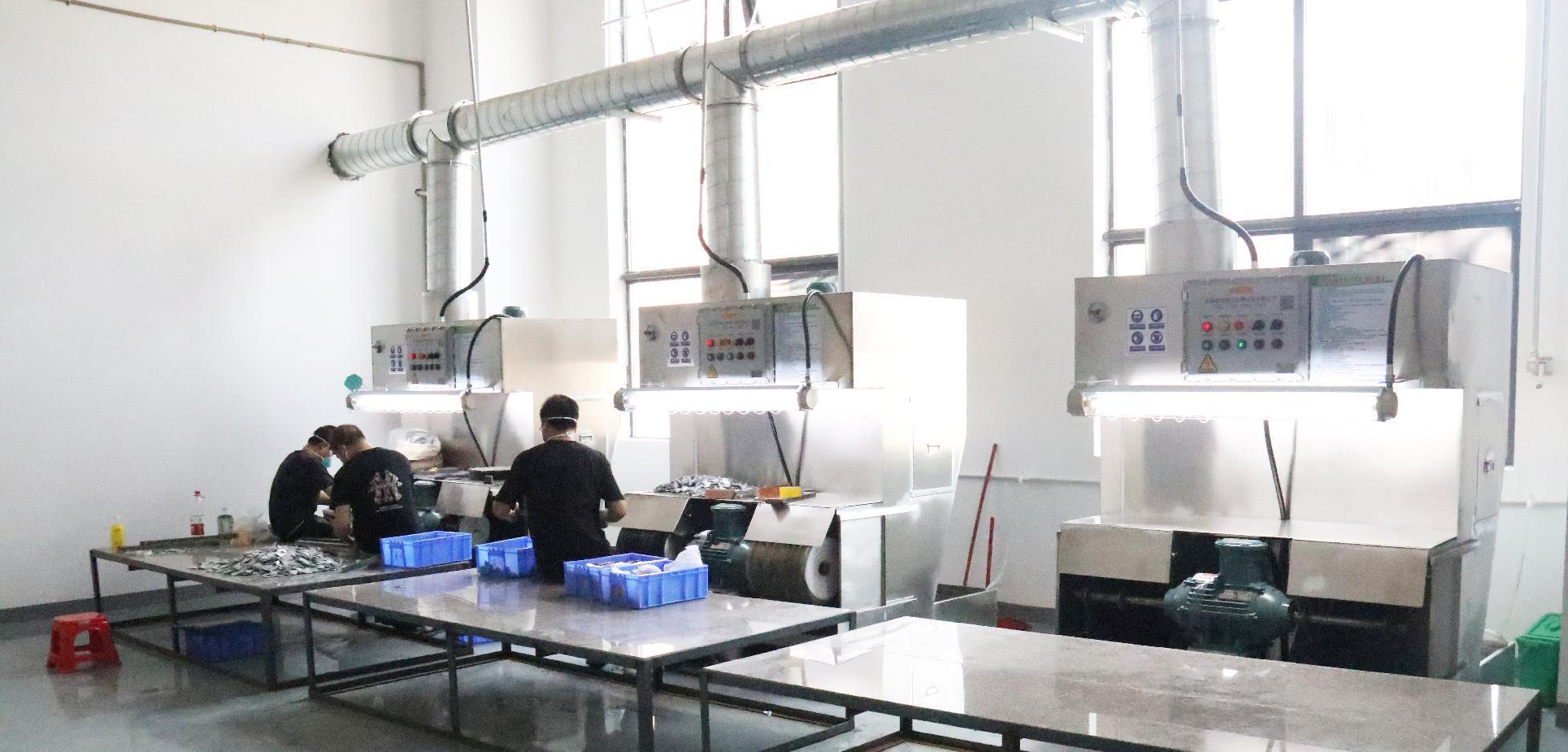
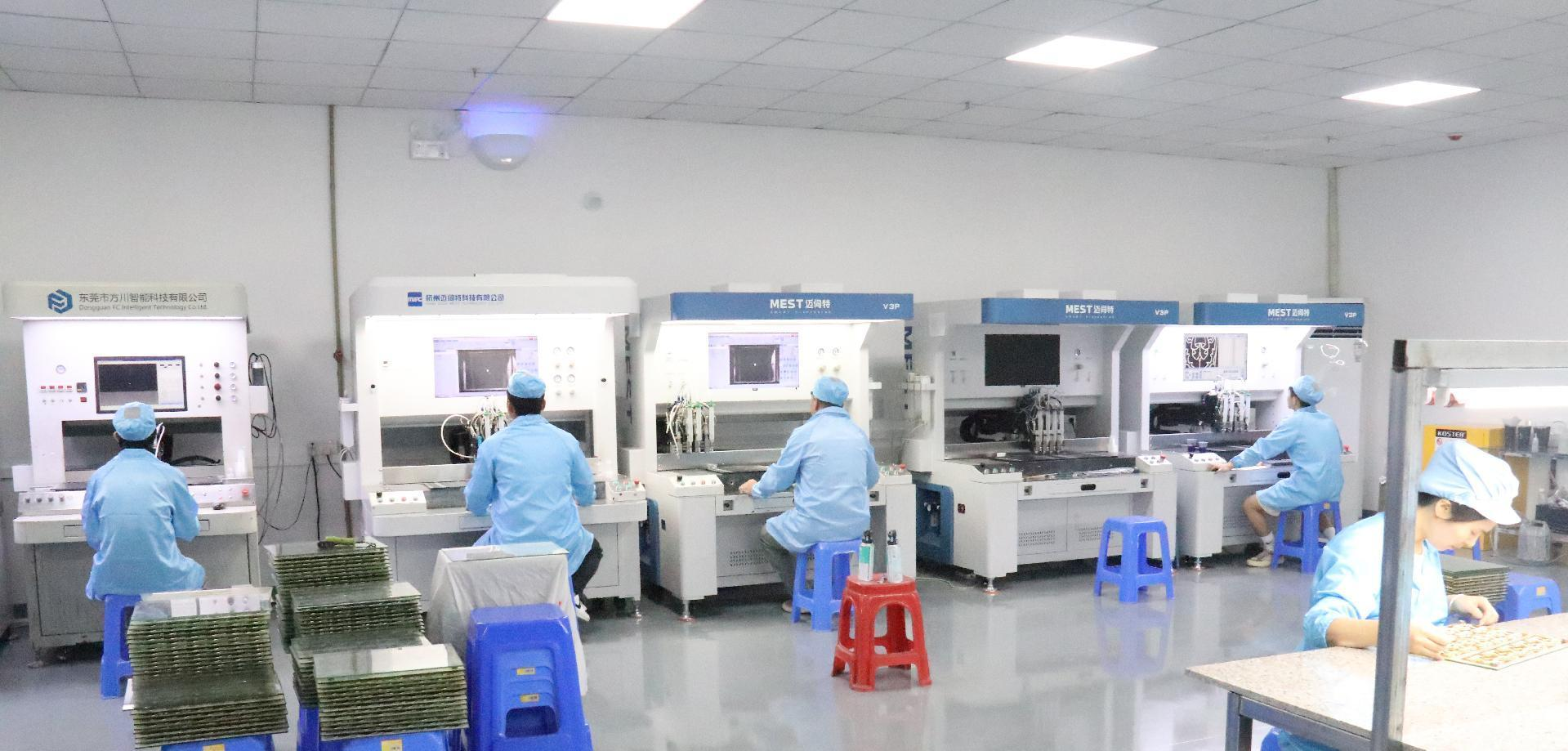
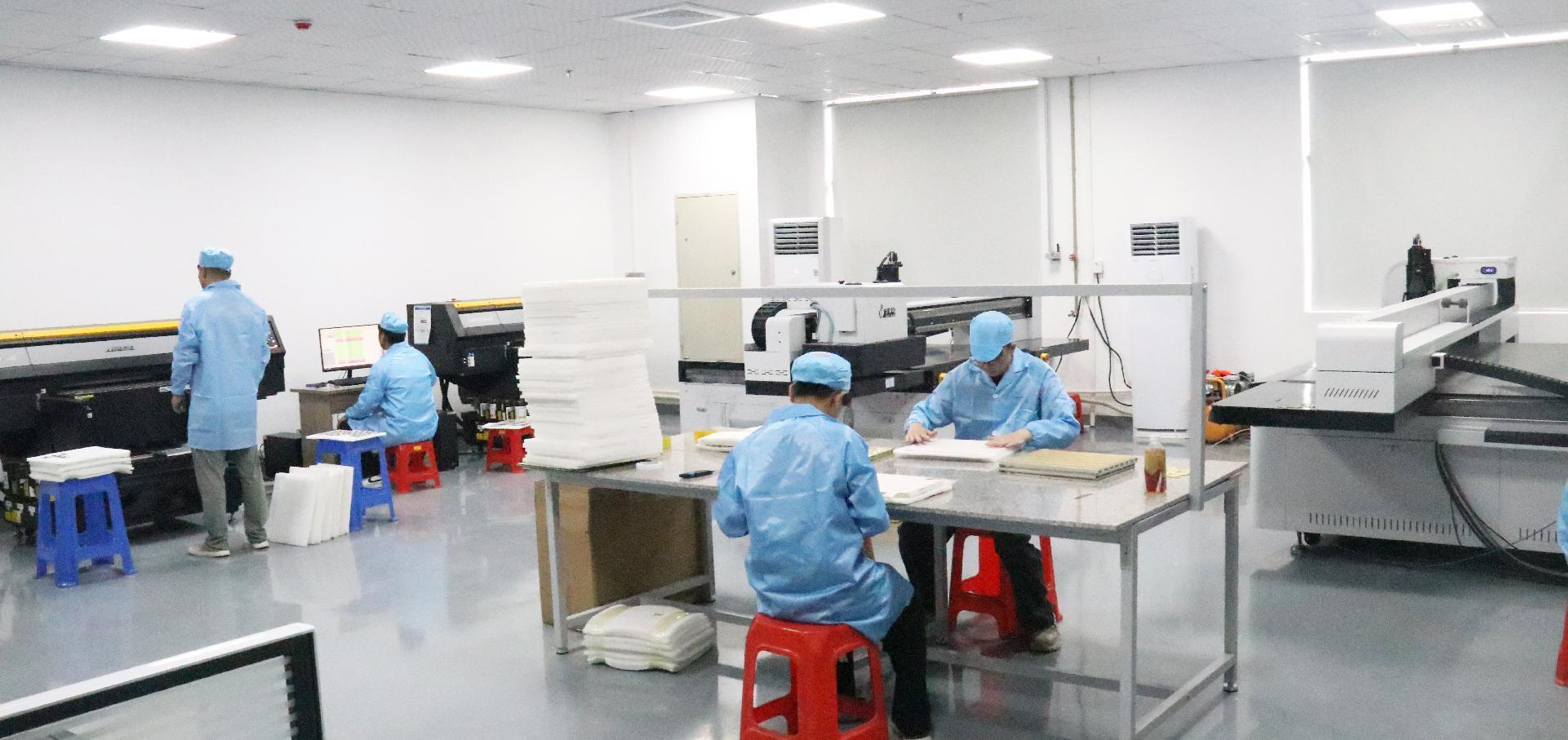
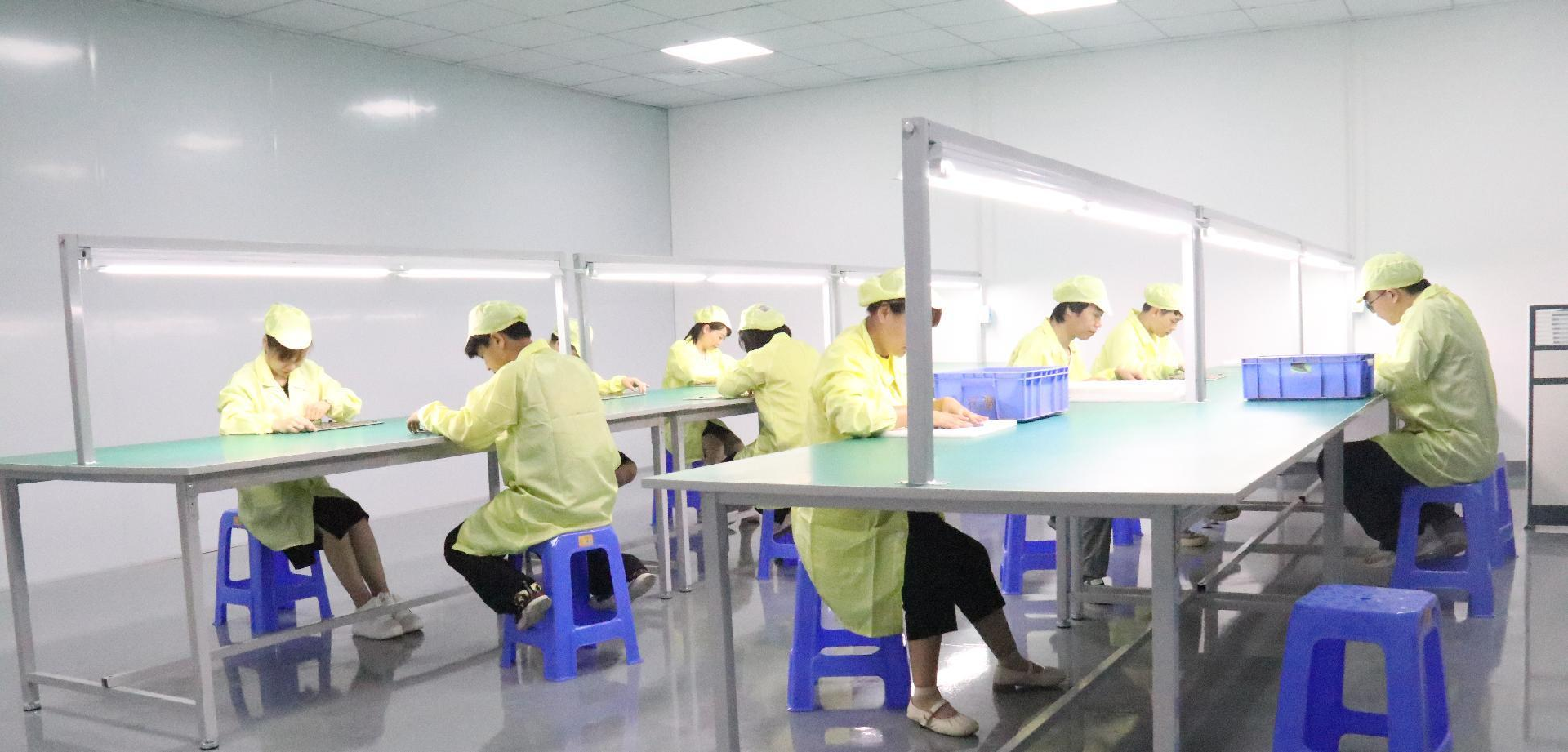
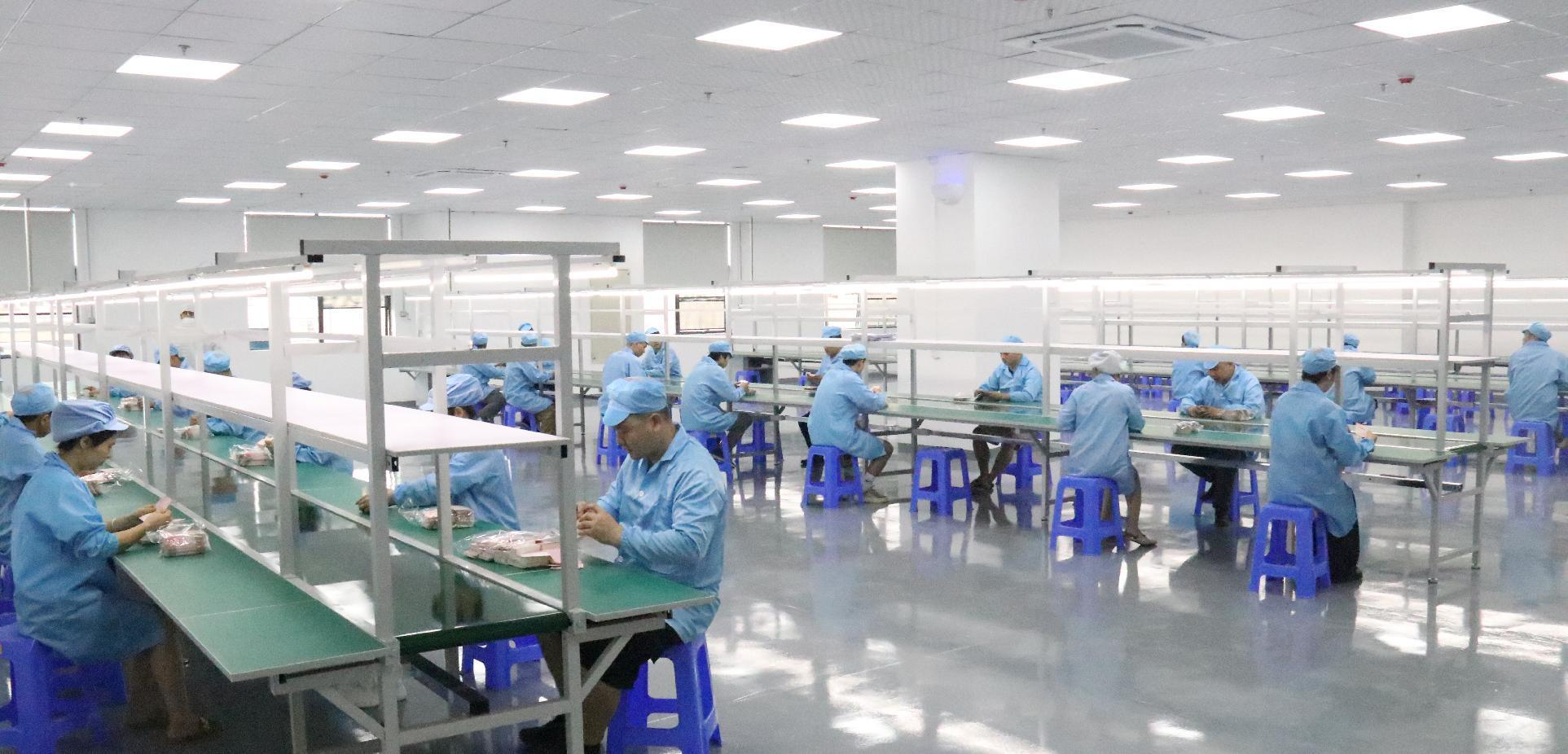
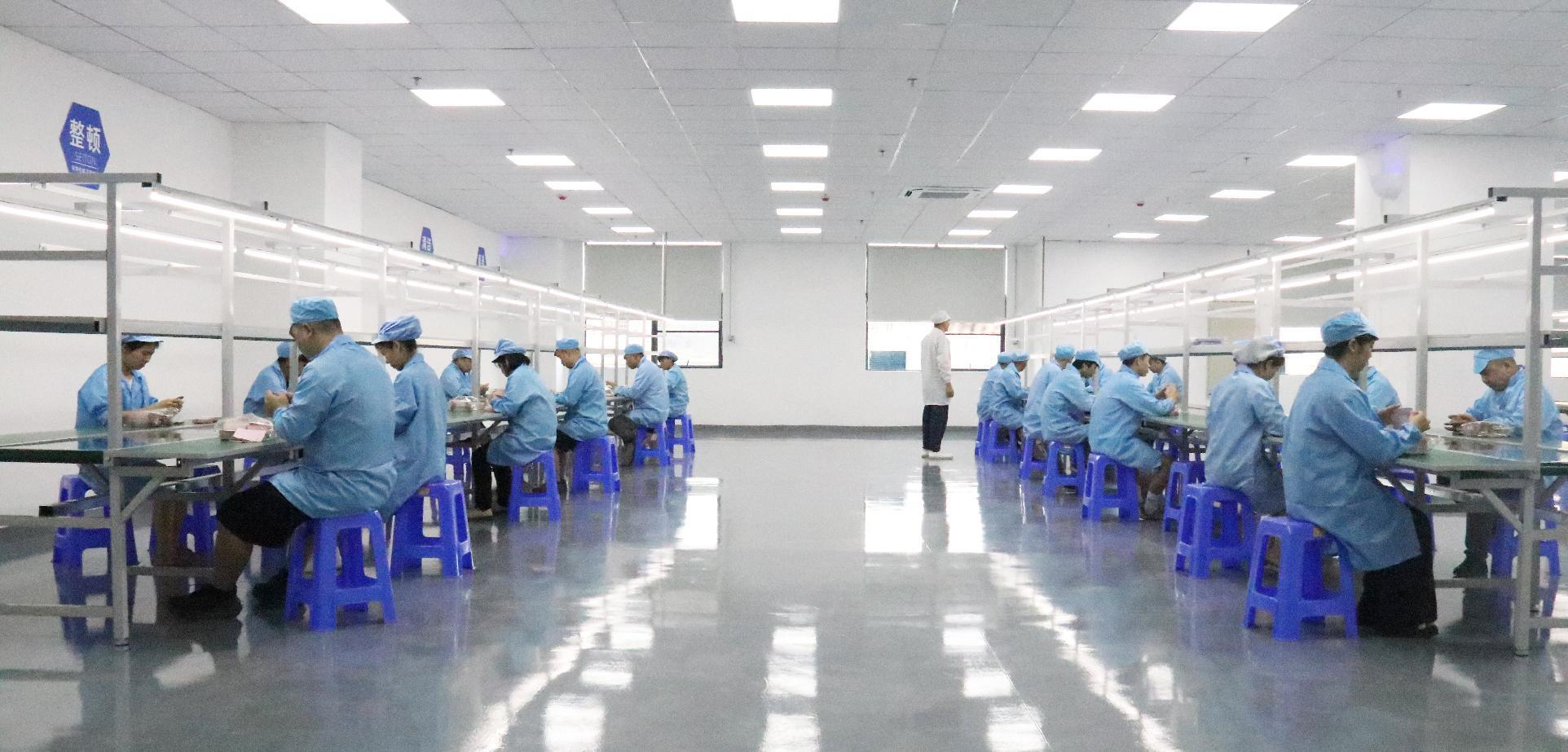
One address in Dongguan: tooling, casting, colour, QC and packing under one roof. Same photos we send with a video walk-through.

Material choice
Almost everything on this site is die-cast in zinc alloy: it takes fine line work, holds both soft and hard enamel, and polishes to a bright edge. Stainless steel is the other option we quote, and it is the right call for some jobs rather than a better one for all of them.
Die-cast in our own dies. Best for fine outlines, small type, enamel in the recess and half-relief centres. The default for pins, badges and keychains.
Harder surface, brighter under plating, laser-etched or colour-filled face. Quoted when the piece is handled daily, stays on a keyring or has to take a salt-spray test.
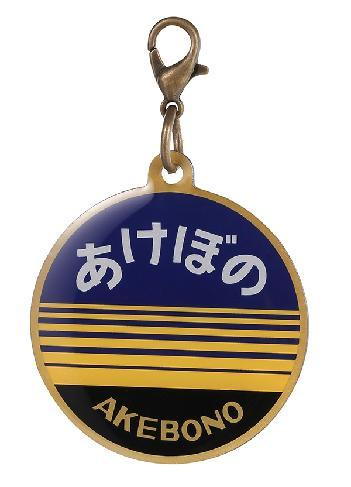
Everything in a cast metal order starts with two machines: the die and the press. We keep both in the same building, which is why a custom pin order has one tooling cost, one colour reference and one date instead of three vendors pointing at each other.
A die is cut from your vector artwork in our own tooling shop. This is the step that decides how the artwork reads at 30 mm, so it is done in-house and checked against the drawing before a single piece is cast.
Zinc alloy is cast on three presses. Flat dies produce one plane with colour sitting in the recess; half-relief dies produce stepped levels that catch light. Both run on the same floor, on the same schedule.
Colour count inside a design is not capped and does not change the tooling price. The bench matches against the reference you supply — a physical sample, a Pantone number, or the previous production run if this is a repeat programme.
Backs, pins, clips and attachments are fitted, then the pieces are counted, colour-checked against the approved sample and packed for a sea container. Packing is done here, so a mixed order leaves under one packing list rather than arriving in three deliveries.
BSCI and Sedex reports cover labour practice, working hours, health and safety and record keeping. They are issued at the supplier-approval stage, before the purchase order rather than after it, because an audit that arrives late holds up an order more often than price does. A video walk-through of the floor is available at any stage of an enquiry, including before artwork.
| Quantity per design | Lead time from artwork approval |
|---|---|
| 10,000 pcs | 25 days |
| 50,000 pcs | 35 days |
| 100,000 pcs | 40–50 days |
Peak season before the year-end gifting period adds queue time. If your date is fixed by an event, say so in the first email and we will tell you immediately whether it is realistic.
Most export work ships to Japan, Korea and the United States, alongside domestic Chinese programmes. Shipping terms are quoted with the order, so freight is visible before you commit rather than after.
If you are placing a programme-sized order, start with a video walk-through of the floor — most buyers settle the question there. A site visit can be arranged once a programme reaches approval, and we would rather be checked before the die is cut than after it.
The plant was built in 2021 and has run continuously since. BSCI and Sedex audit reports are issued at the supplier-approval stage of a programme, and a video walk-through of the floor is available at any stage.
Pins, badges, keychains and bottle openers are cast, colour-filled and packed here. If your programme needs medals, lanyards or another material, quote them in the same enquiry and they will be scheduled into the same shipment with the same colour reference.
Start with a video walk-through of the floor; most buyers settle the question there. A site visit can be arranged once a programme reaches approval.
A flat die is RMB 700, a half-relief die RMB 1,200, charged once per design, and both are cut in our own tooling shop rather than bought in per order. That is what keeps a 7 to 10 day sample possible.
How an order runs from artwork to carton, with the dates spelled out.
How ordering works →Send artwork, size and quantity; get tooling, unit price and a date.
Request a quote →The product that pays for the tooling shop.
Custom enamel pins →Artwork, size, quantity and deadline are all we need. A specialist replies with tooling cost, unit price and a delivery date, usually inside 20 minutes.